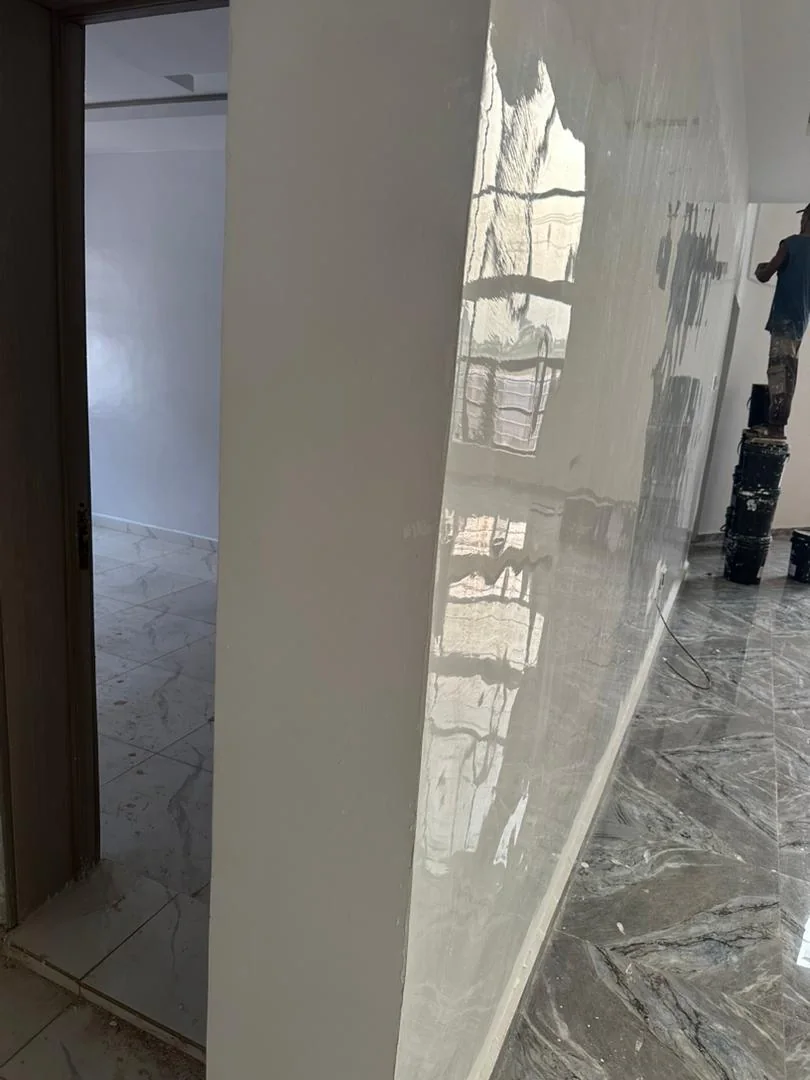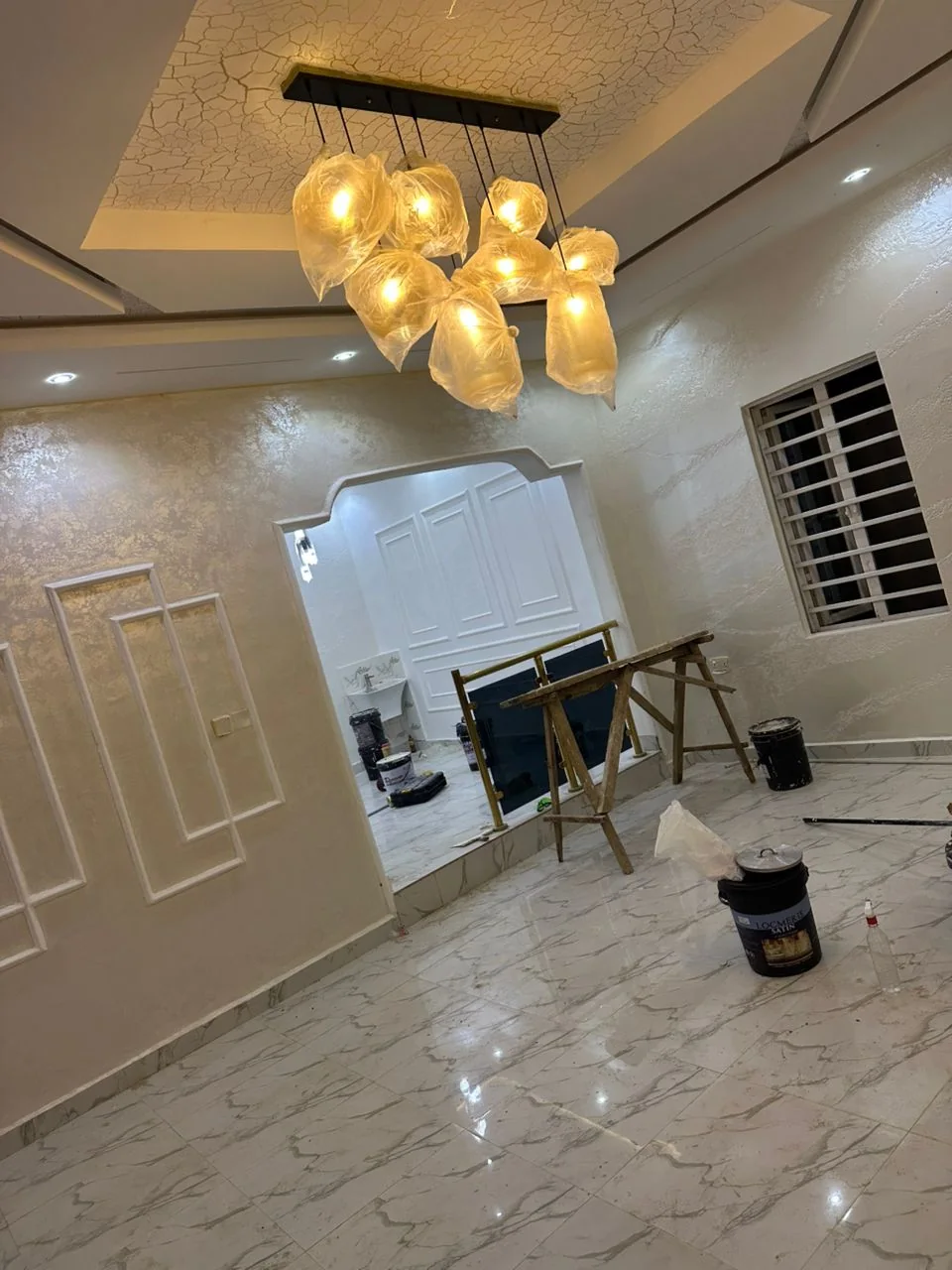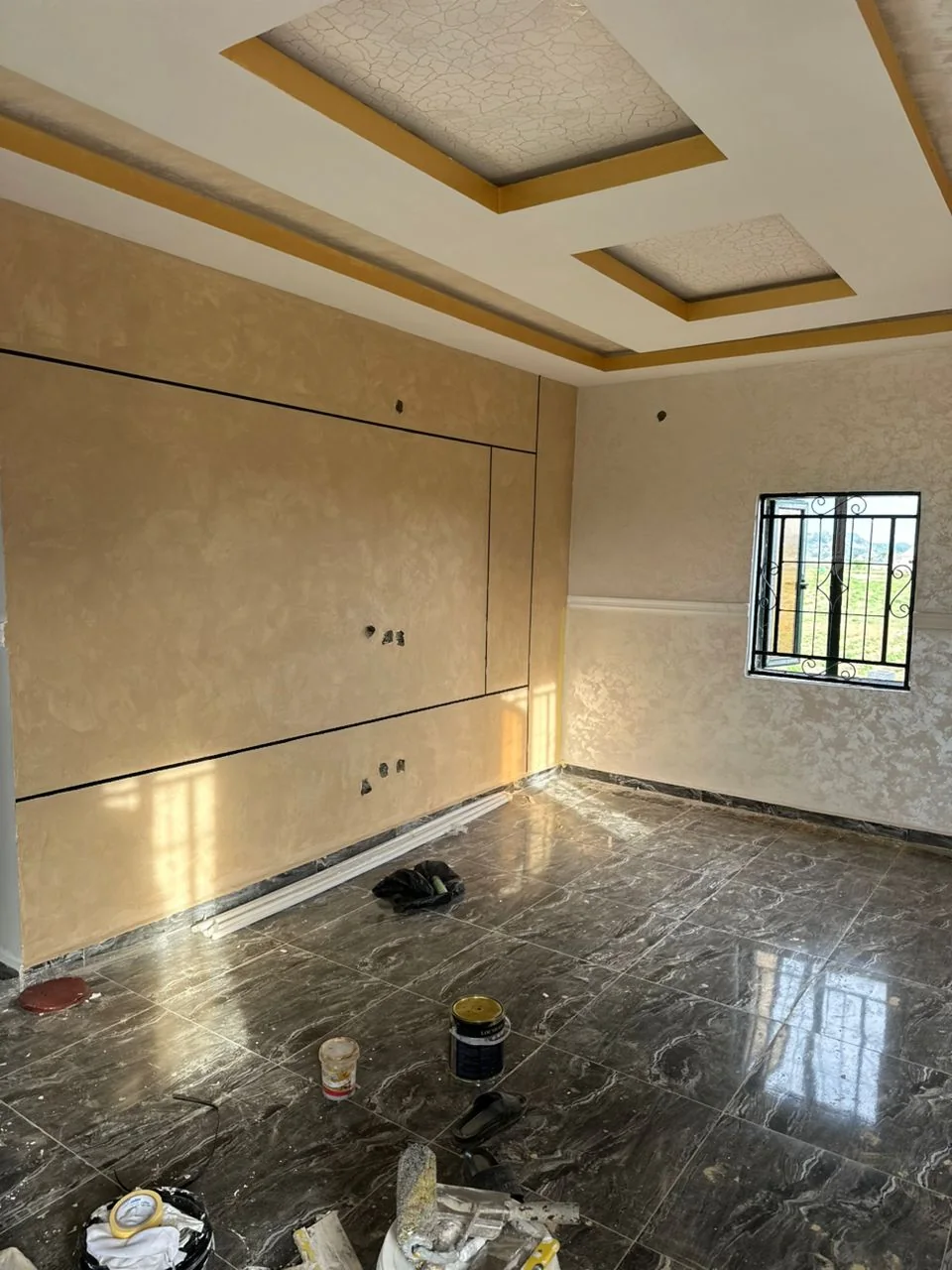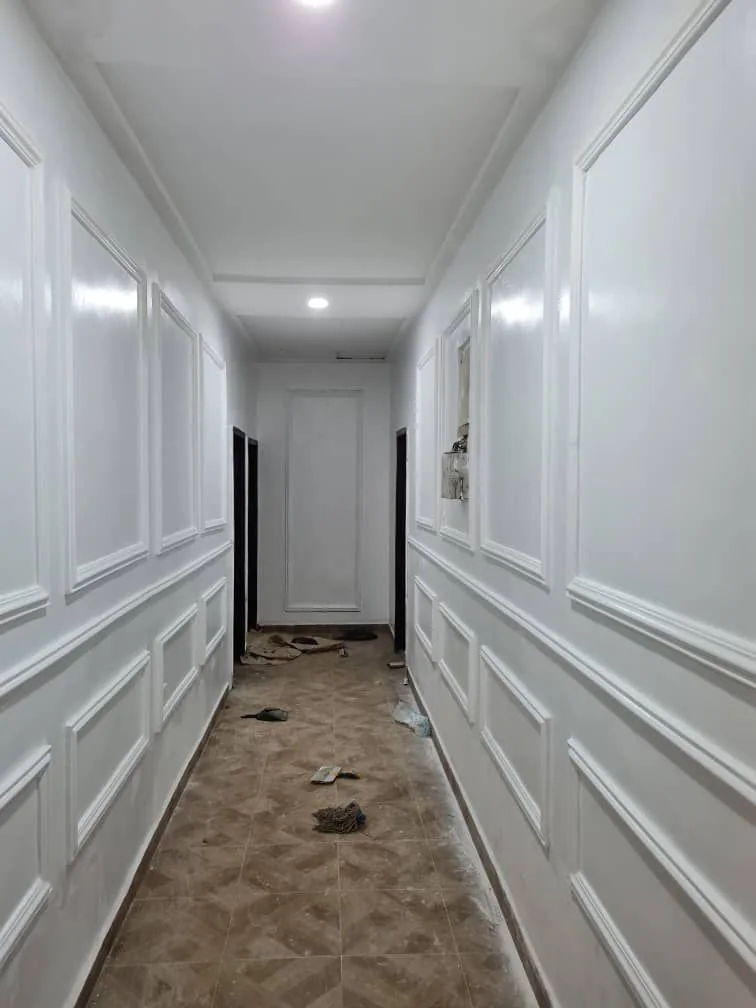
Many expensive paint problems begin with a decision that seemed to save time. The visible coat is only one part of the job, so shortcuts underneath it can return later.
Painting over damp
A fresh coat may hide a stain briefly, but active moisture can cause bubbling, discolouration or mould. Repair the source and allow suitable drying before finishing.
Skipping unstable areas
Loose or powdery paint cannot support a new coating reliably. Scraping and cleaning may look slower at first, but coating over weakness creates a larger correction later.
Using one product everywhere
Ceilings, exterior masonry, metal doors and high-contact interior walls have different needs. Buying one familiar paint for every surface can reduce performance.
Ignoring the primer requirement
New plaster, repairs, stains and glossy old paint may need specific preparation. Primer is selected for the condition, not added as a ritual or omitted by default.
Rushing between coats
A surface that feels dry to the touch may not be ready for the next coat. Follow the product instructions and account for ventilation, temperature and humidity.
Approving colour from a screen
Phone and laptop displays do not reproduce paint colour reliably. Use physical samples in the room and check them against fixed finishes.
Comparing quotes without comparing scope
One quote may include repairs, protection and primer while another excludes them. Ask for an itemised scope and clarify who supplies materials, moves furniture and handles cleanup.
The most economical project is not always the one with the smallest starting figure. It is the one with a clear scope, suitable materials and fewer avoidable corrections.
Planning a painting project?
Tell us about your space and we’ll send a clear quote with timelines.