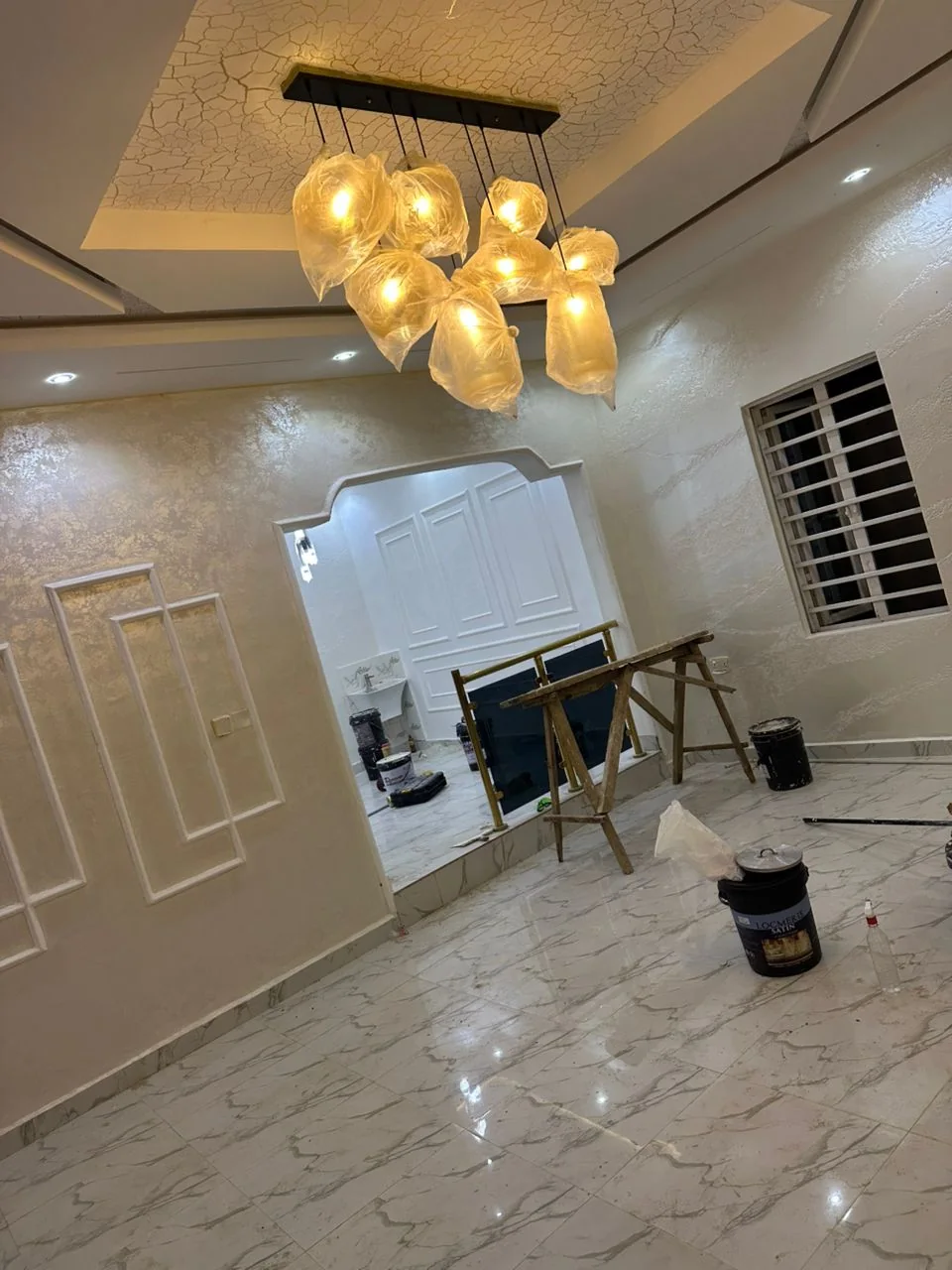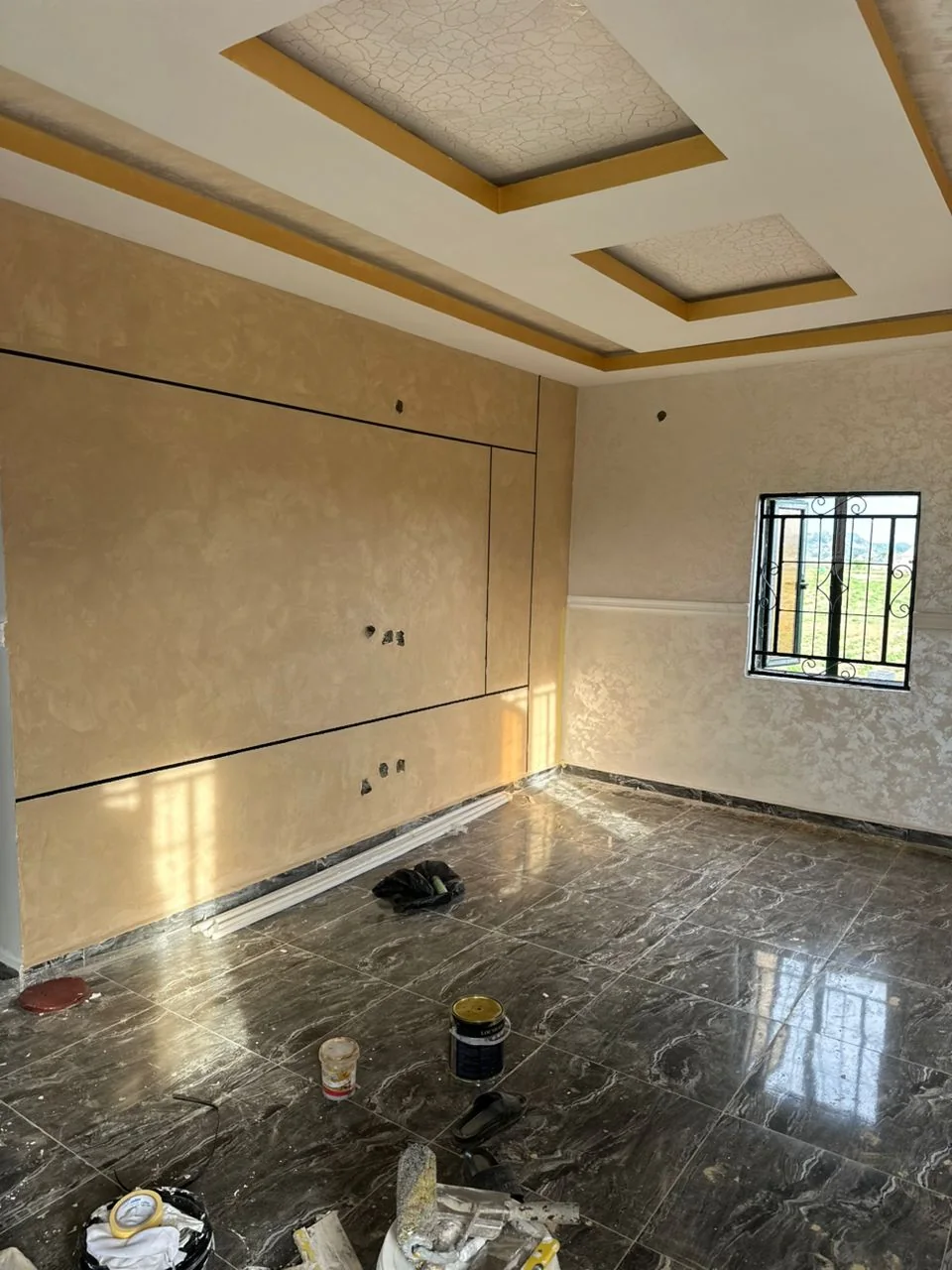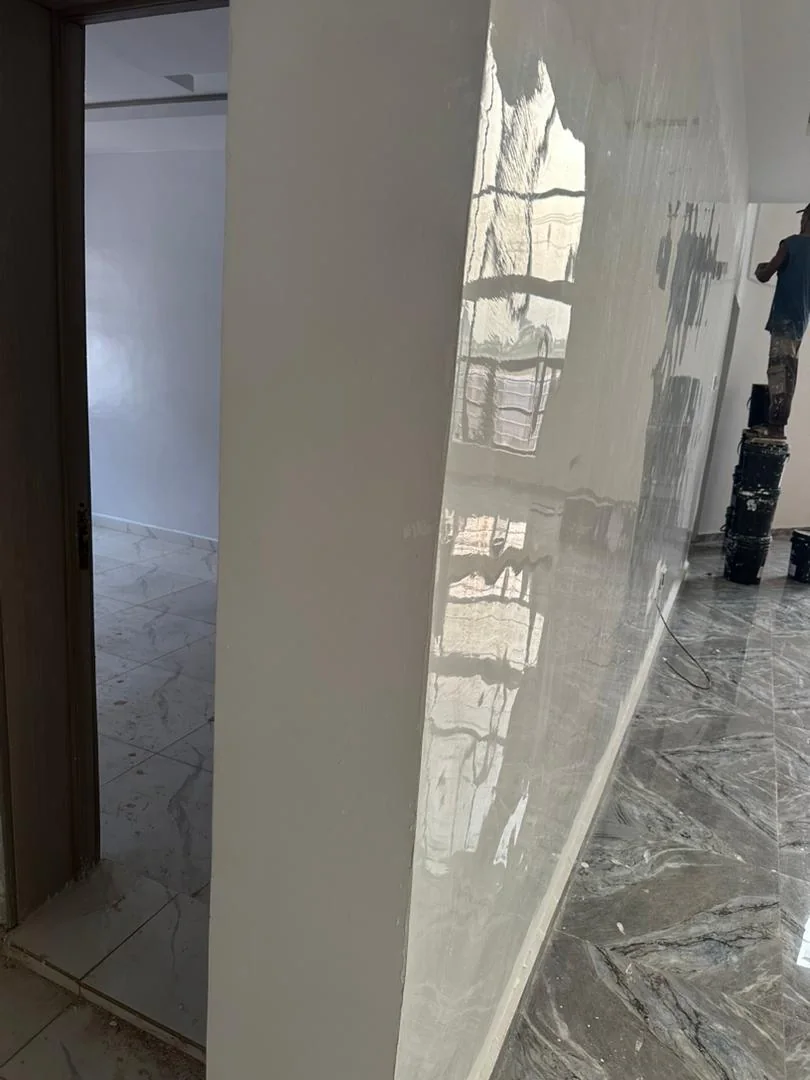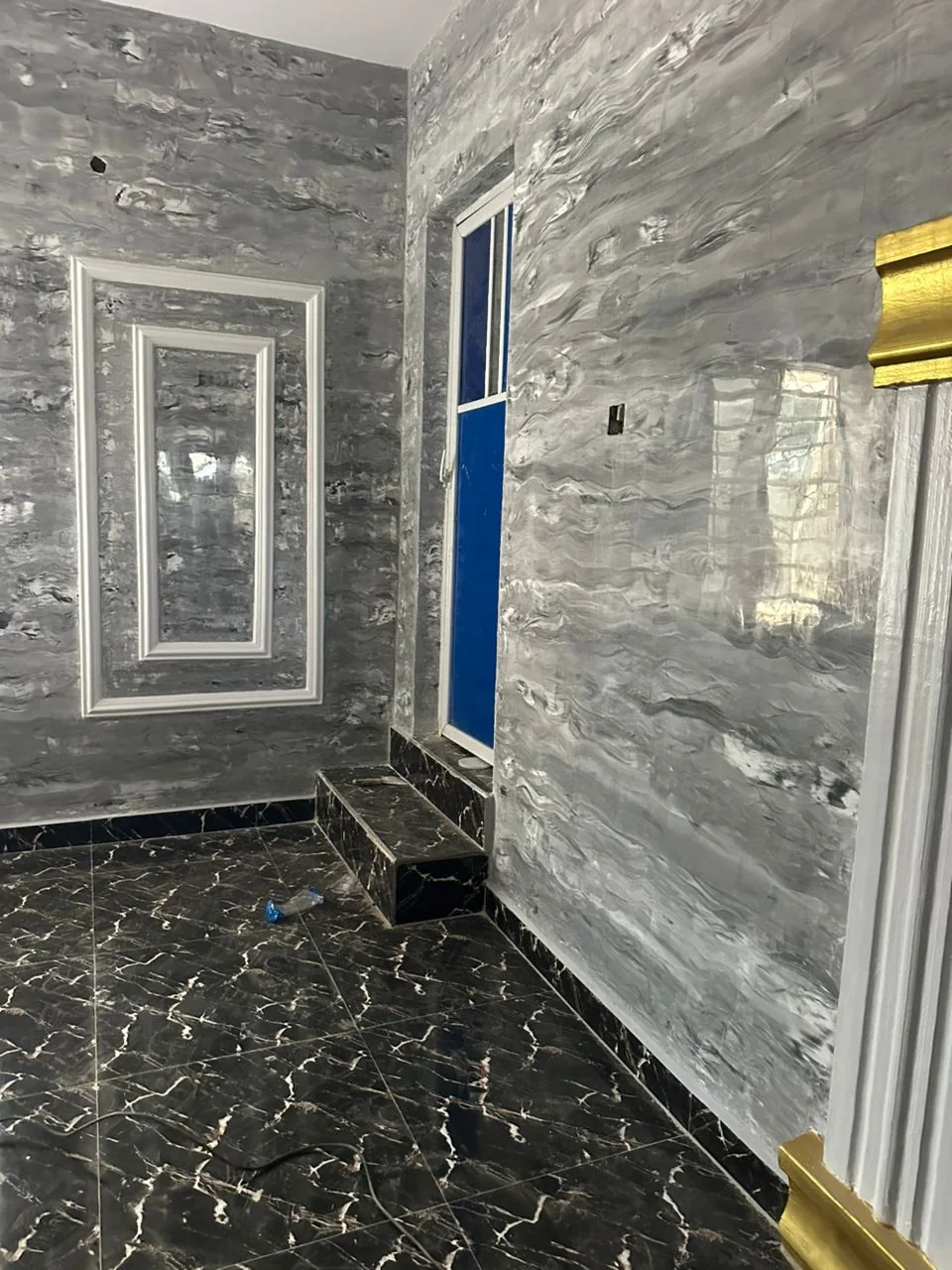
A painting estimate should reflect the actual scope, not only the number of rooms. Two rooms of similar size can require very different work if one has sound walls and the other has damp, peeling paint or complex details.
Measurements
Wall and ceiling dimensions establish the approximate area. Doors, windows, columns, stairwells and decorative details affect both measurement and application time.
Surface condition
The estimator looks for cracks, weak coatings, stains, moisture, rough plaster and previous repairs. Preparation can be a major part of the labour and material requirement.
Access
High walls, external elevations, narrow passages and occupied rooms affect equipment and sequencing. Safe access must be planned rather than improvised after the work begins.
Paint system
Primer, undercoat, topcoat and specialist treatments serve different purposes. Coverage varies by product, surface texture, colour change and application method. Product data and site condition should inform the quantity.
Protection and logistics
Floor covering, masking, furniture movement, waste handling, travel and phased working can all be part of the scope. A quote should state what is included.
Approvals and changes
The estimate is based on an agreed brief. Adding rooms, changing to a more complex finish or uncovering hidden damage may change the price. Variations should be discussed and documented before extra work proceeds.
To get a useful initial response, share the service area, property type, number of rooms or elevations, current wall condition, preferred finish and target timing. A site inspection can then confirm the final scope.
Planning a painting project?
Tell us about your space and we’ll send a clear quote with timelines.