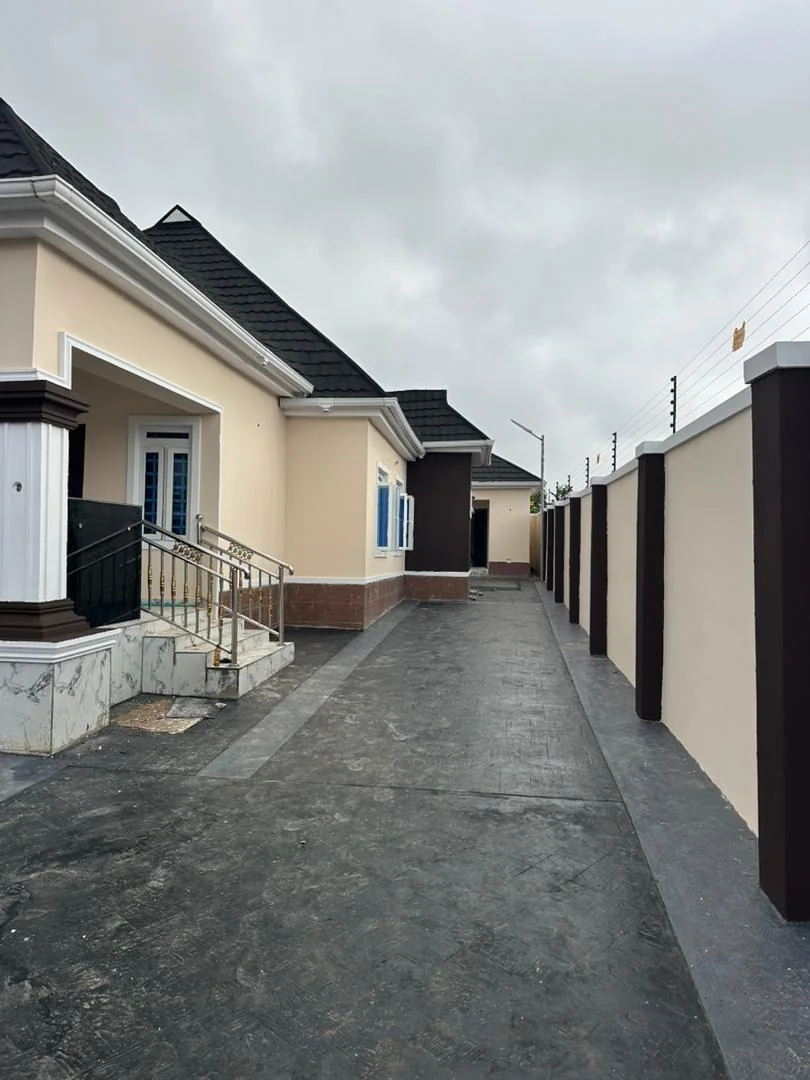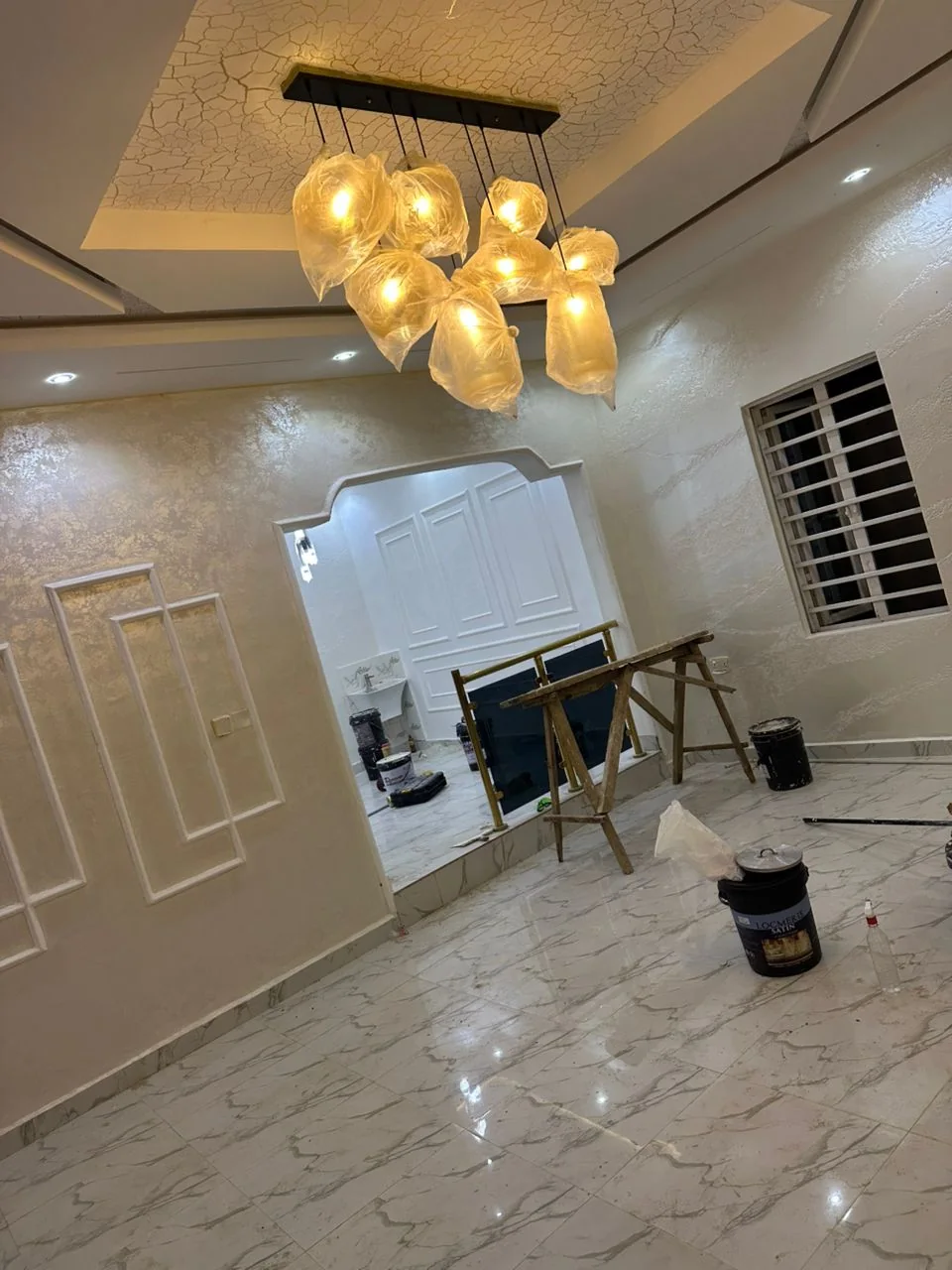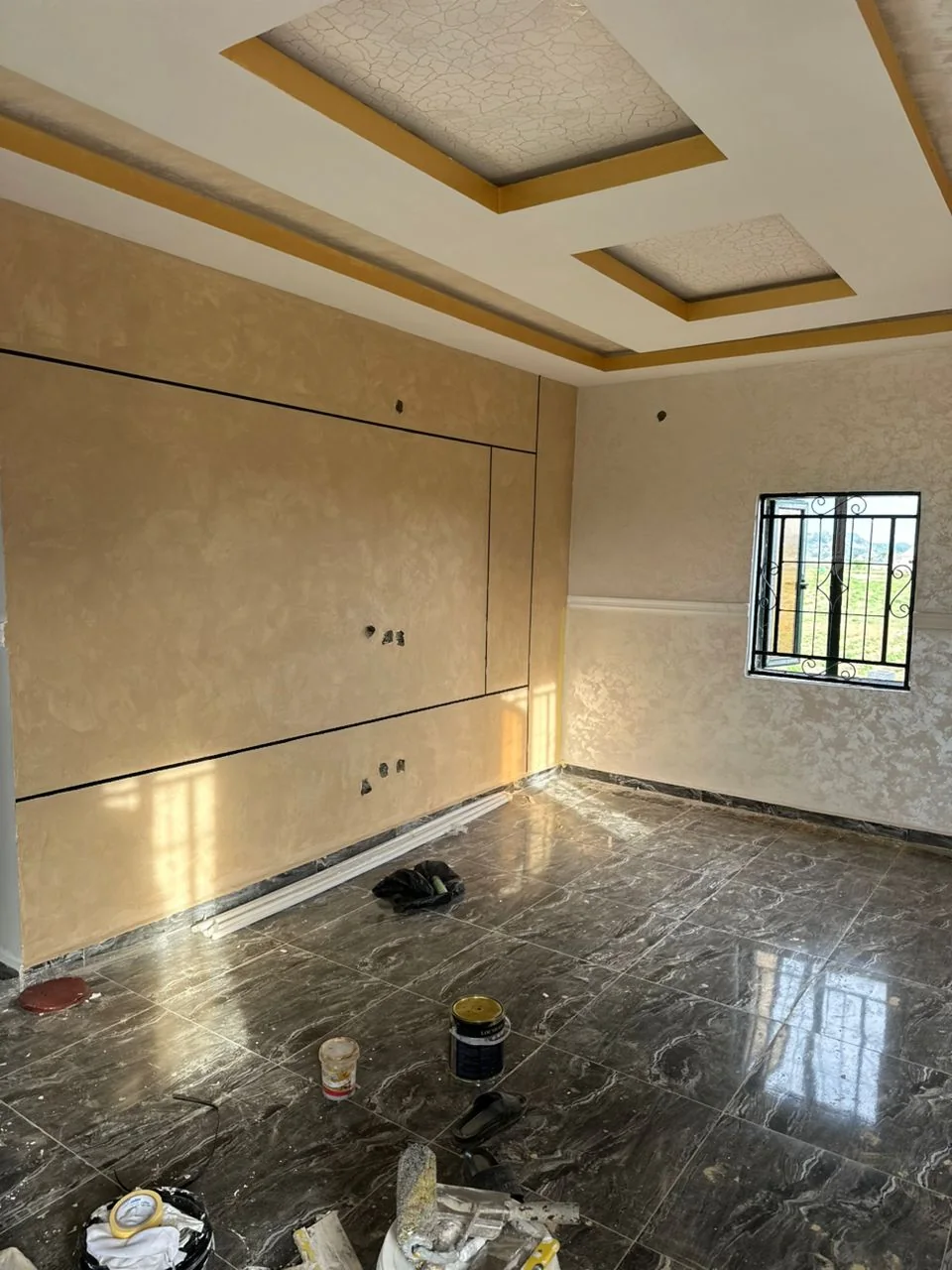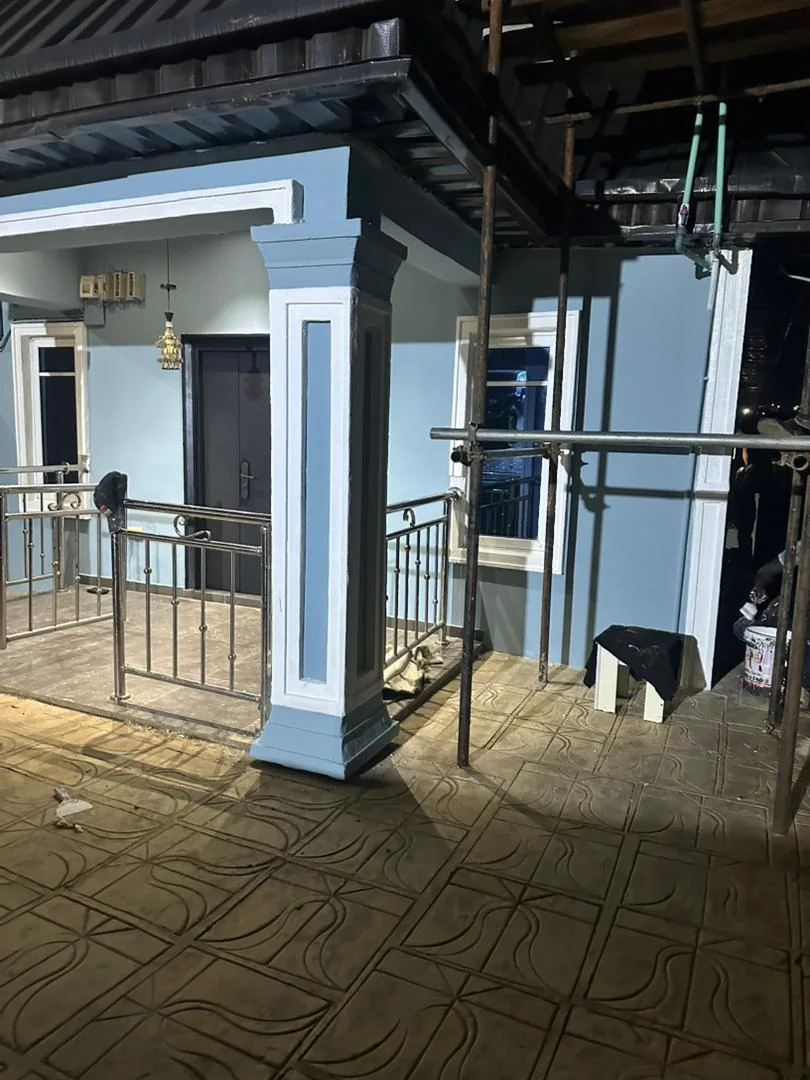
Rainy-season maintenance begins outside the paint tin. Water entry, blocked drainage and poor ventilation can damage a sound coating if they are left unresolved.
Inspect before heavy rain
Check roof edges, gutters where fitted, downpipes, parapets, external cracks, window seals and areas where water collects beside the building. Correcting a simple drainage problem early can prevent a larger wall repair.
Watch for new interior marks
Dark patches, bubbling paint, a musty smell or repeated staining may indicate moisture. Note when the mark appears and what is happening outside that wall. This information helps identify the source.
Improve airflow safely
Rooms with persistent condensation need ventilation. Use windows, extract systems or other suitable airflow measures without compromising security. Keep large furniture slightly away from problem walls so air can circulate.
Clean carefully
Use a gentle method suitable for the paint finish. Aggressive scrubbing or strong chemicals can polish, discolour or remove paint. Test a small hidden area first and avoid soaking the wall.
Do not seal active moisture behind paint
Painting over a wet wall can lead to blistering, staining or mould returning. The source should be repaired and the surface allowed to dry to an appropriate condition before treatment and repainting.
Keep exterior coatings under review
Look for cracks, chalking and failed joints on the weather-facing sides of the building. Local repairs are easier to plan before widespread peeling begins.
If a stain keeps returning, ask for a moisture-focused inspection rather than another cosmetic coat. A durable repair starts with the water path, then moves to surface treatment and finishing.
Planning a painting project?
Tell us about your space and we’ll send a clear quote with timelines.