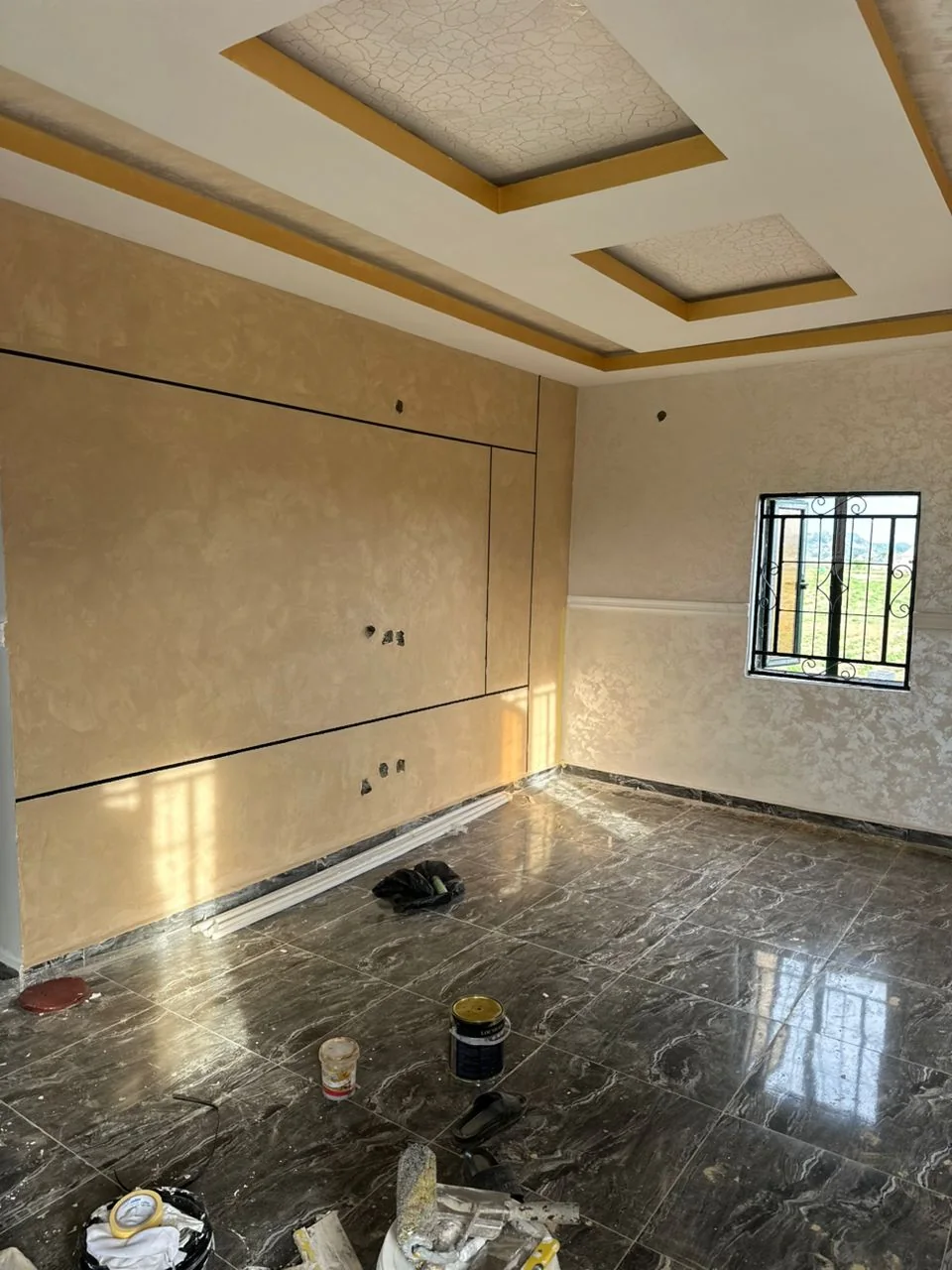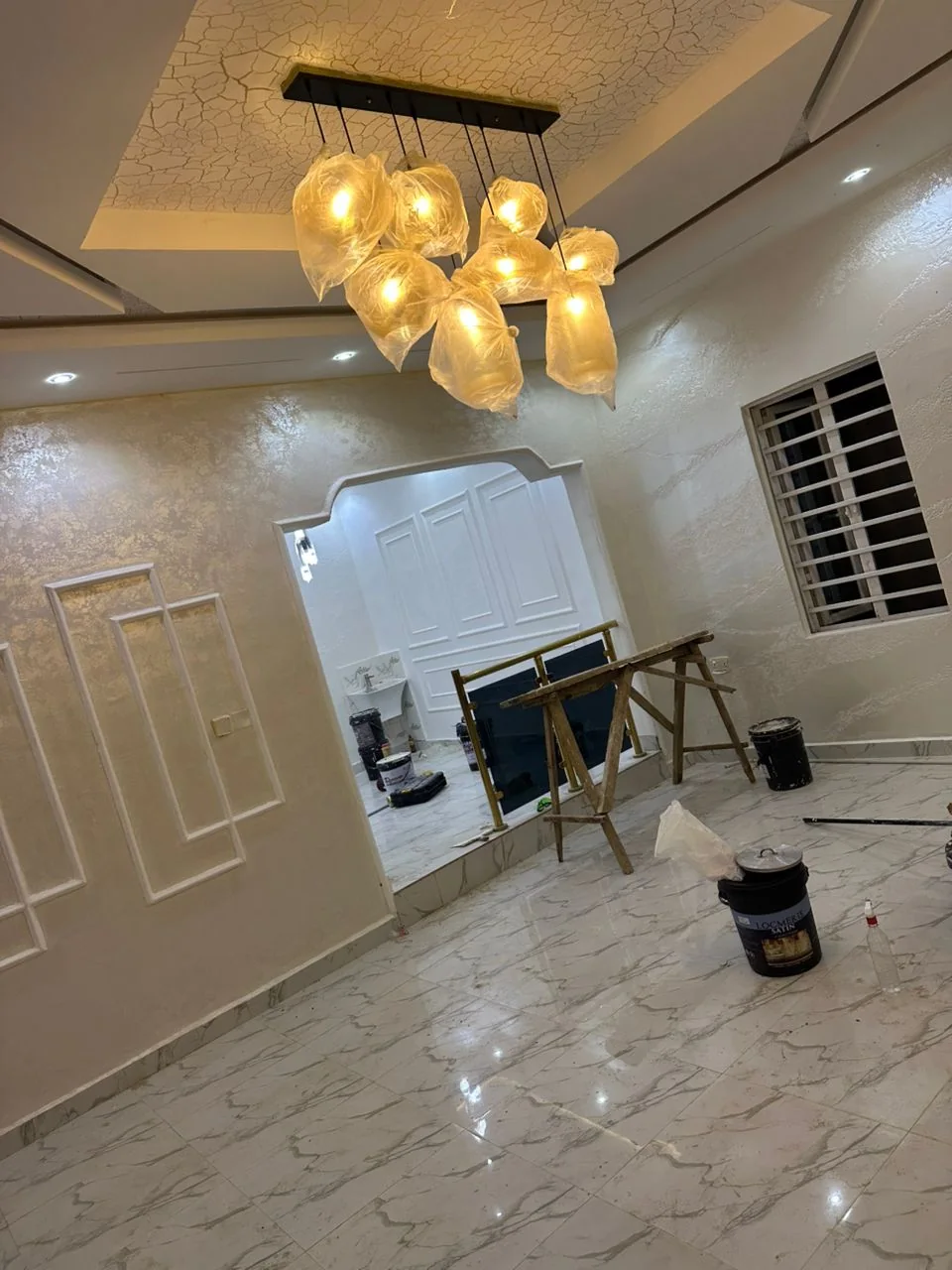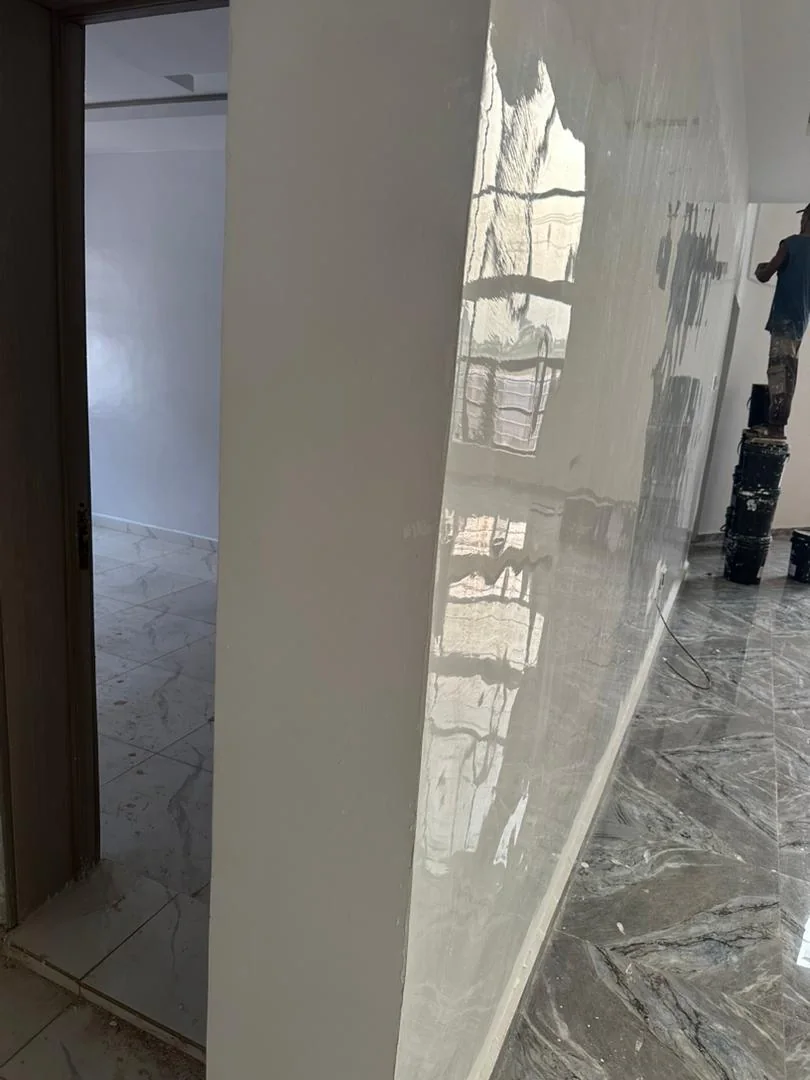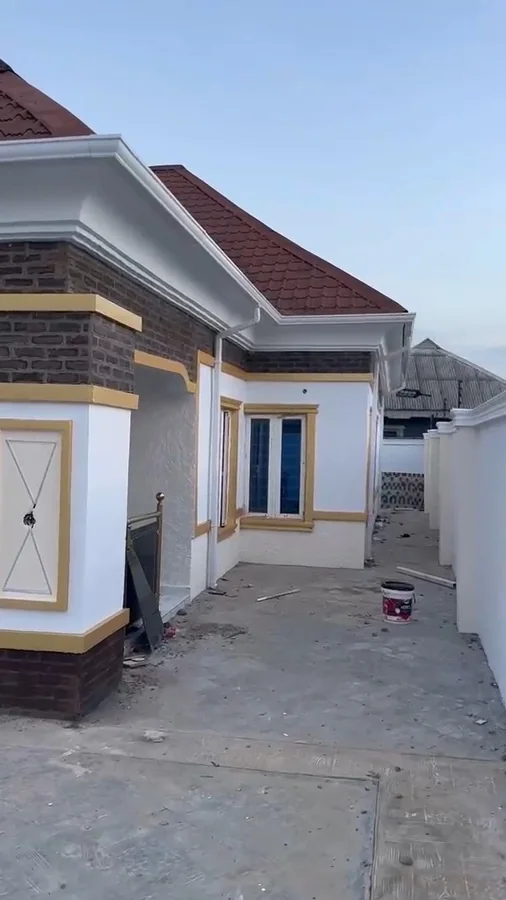
Professional painting is not only faster brushwork. Time is saved when inspection, materials, preparation, access and quality checks are planned as one sequence.
A defined scope reduces stop-start work
Before work begins, the rooms, surfaces, repairs, colours and exclusions should be clear. This helps the team arrive with the right tools and reduces decisions in the middle of application.
Preparation is organised
Furniture protection, masking, scraping, filling and sanding can happen in a controlled order. When preparation is unmanaged, painters may repeatedly move equipment or contaminate finished areas with dust.
Materials are matched to the job
A professional team can advise on product type, quantity and where different systems are needed. This does not remove the need for client approval, but it reduces emergency buying and incompatible substitutions.
Work can be phased
Occupied homes and operating businesses may not be able to release every room at once. A practical sequence keeps access clear and gives each area the drying time it needs.
Quality checks happen during the job
Edges, coverage and repairs should be checked before the whole site reaches handover. Correcting a small issue in the active work zone is usually easier than returning after furniture has been restored.
Cleanup is part of completion
Removing coverings, collecting waste and walking through the finished scope should be planned, not treated as an optional extra.
When choosing a company, ask for a written quote, realistic programme, payment terms and a clear contact person. Professionalism is shown by the quality of planning and communication as much as the final colour.
Planning a painting project?
Tell us about your space and we’ll send a clear quote with timelines.