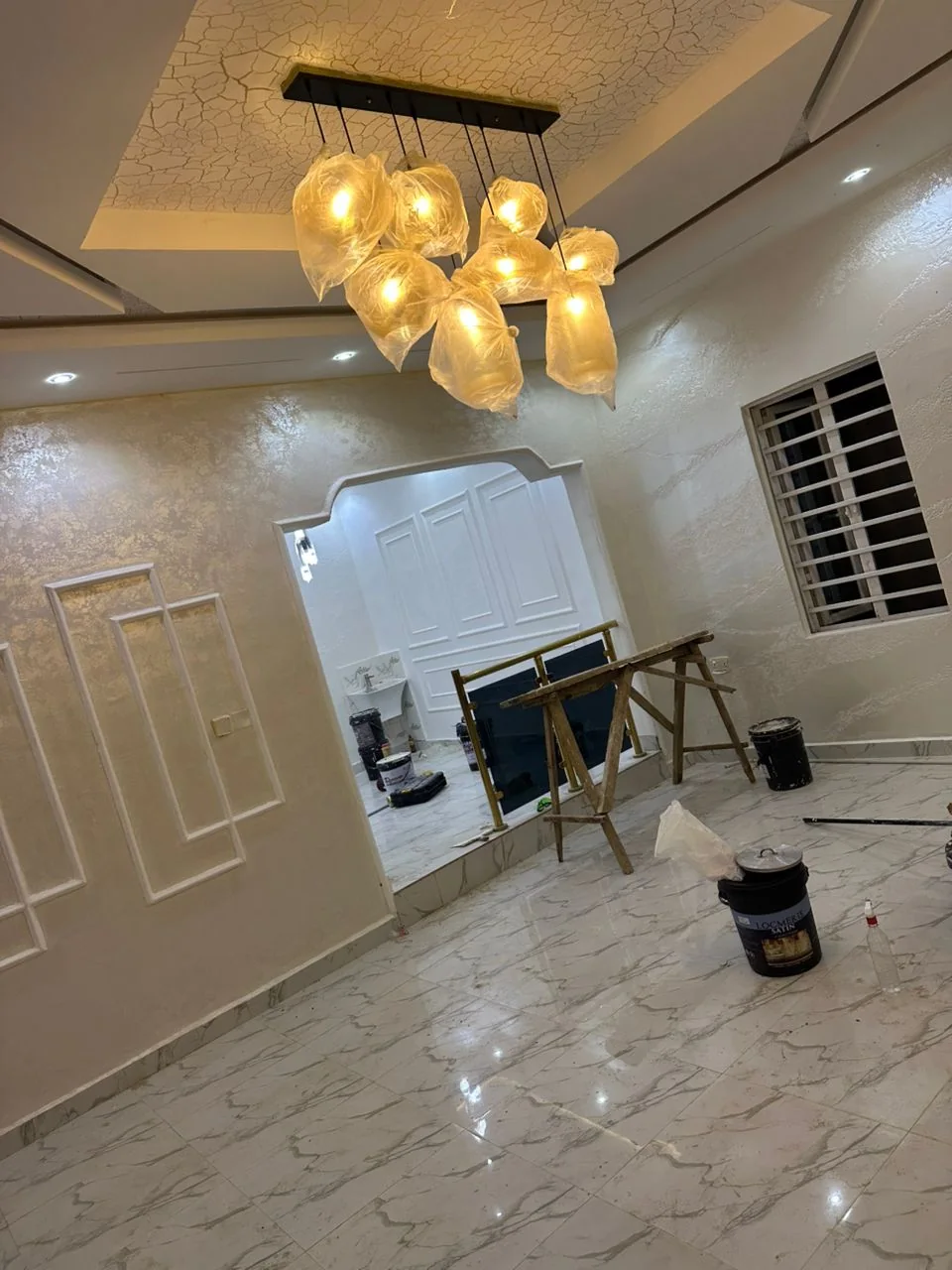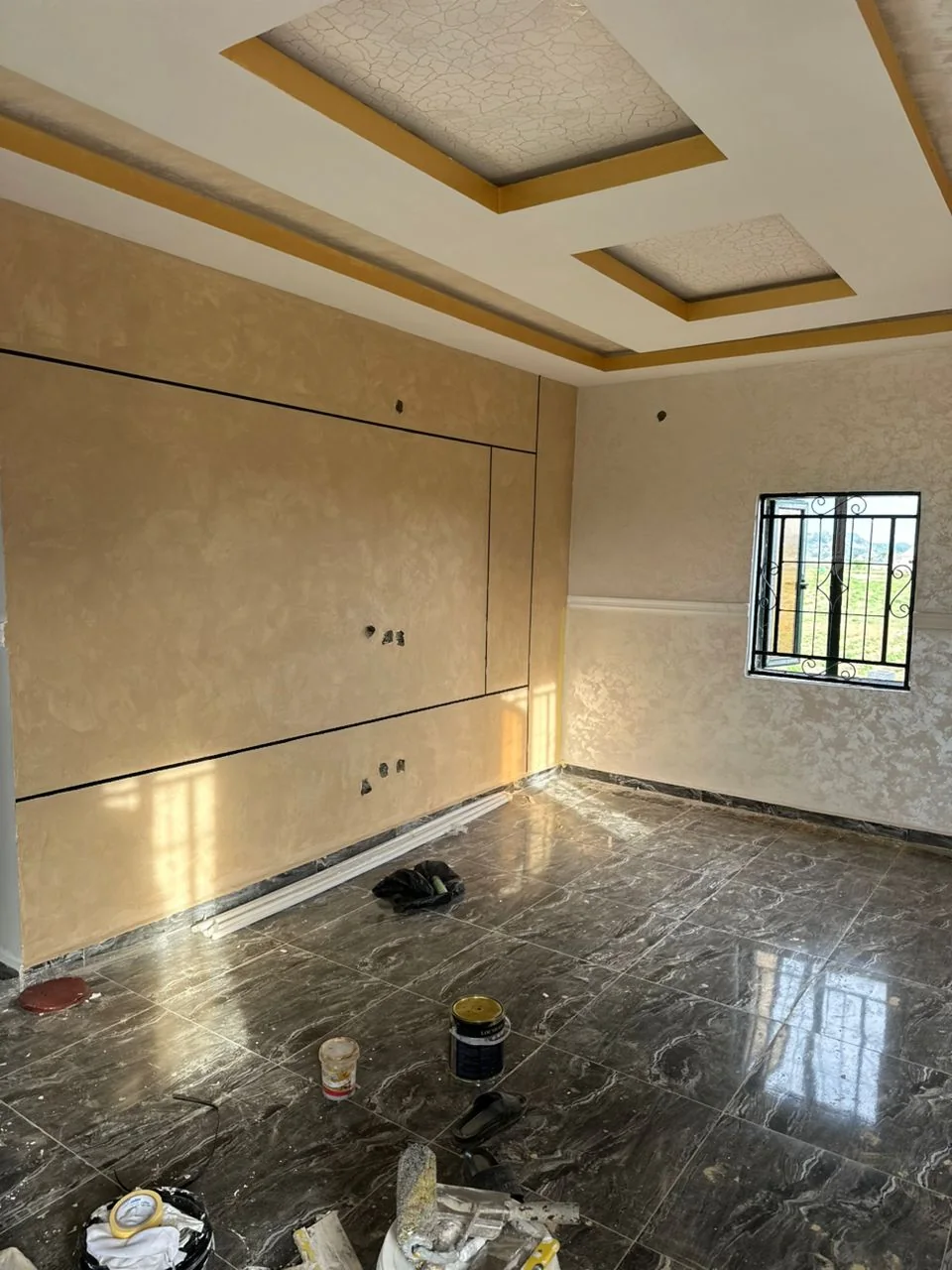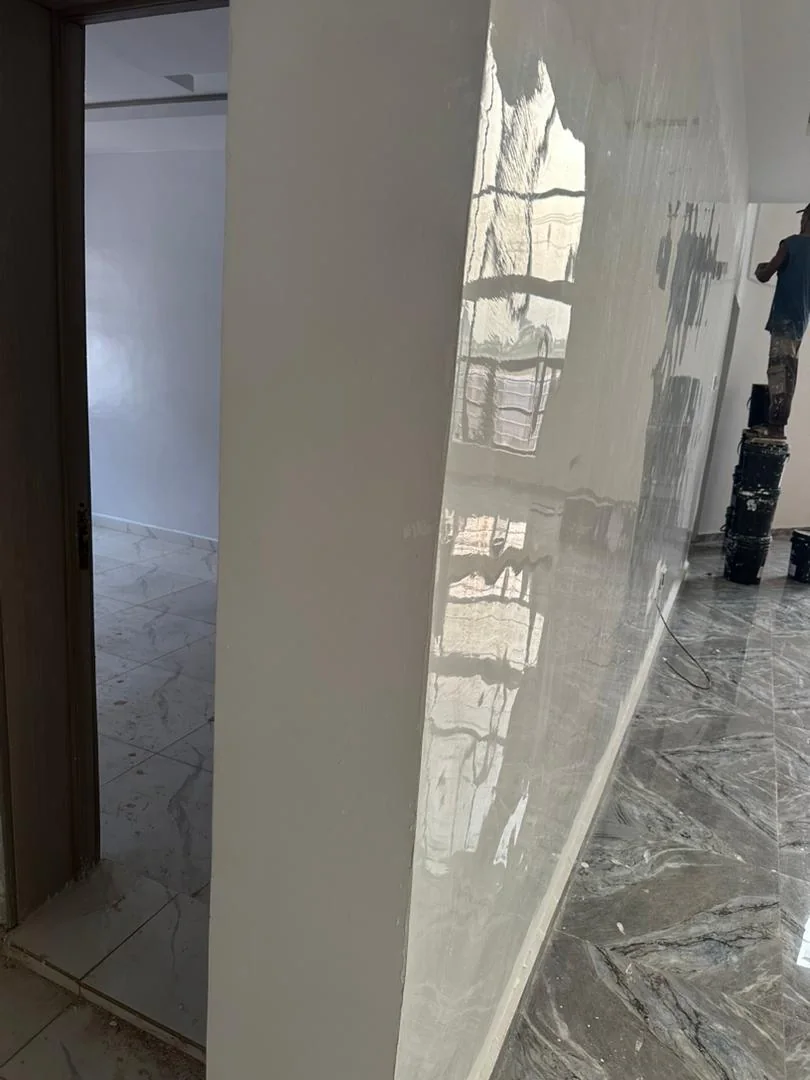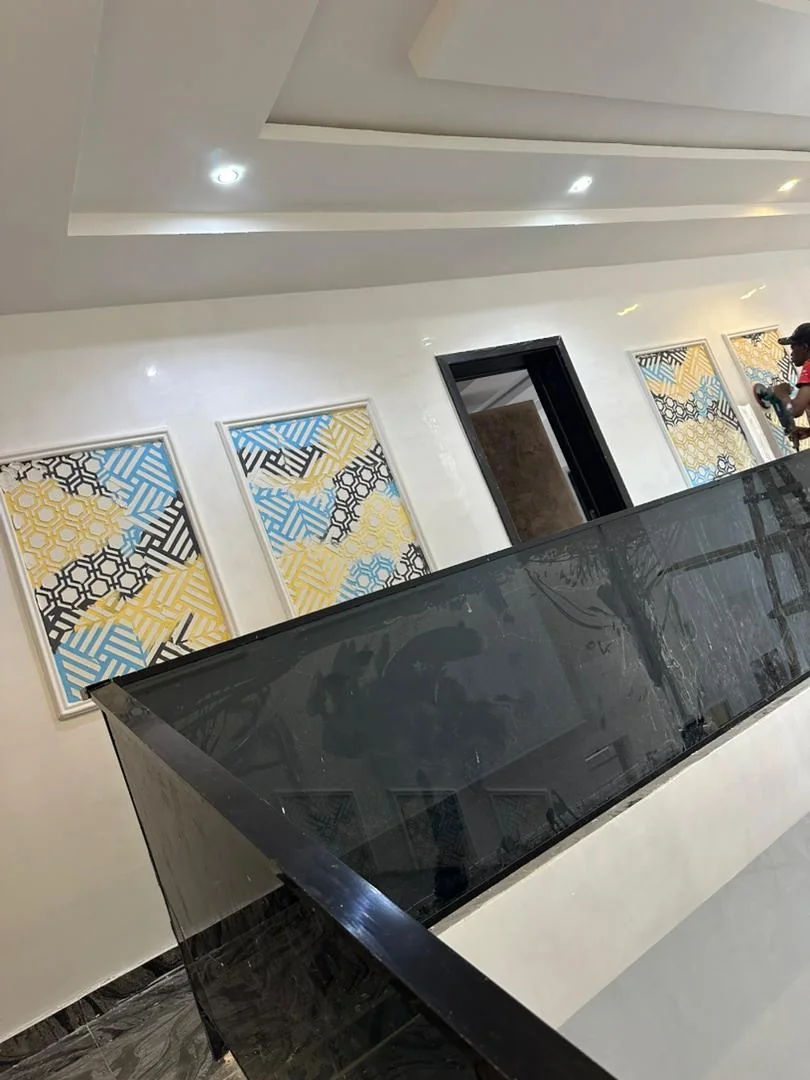
Residential and commercial projects use many of the same preparation principles, but the way the work is planned can be very different.
Access and working hours
A home project may be organised room by room around the occupants. An office, school, shop or hospitality space may need evening, weekend or phased work to keep part of the property operating.
People and protection
Residential work focuses on furniture, personal belongings, family movement and pets. Commercial work may add public routes, staff areas, stock, equipment, signage and formal safety controls.
Product selection
The correct product depends on the substrate, cleaning regime and traffic. A reception, classroom, kitchen area and private bedroom do not place the same demands on a coating. Confirm the technical requirements rather than choosing only by colour.
Colour approval
A homeowner may approve the palette directly. Commercial work can involve brand colours, landlords, facility managers or several decision makers. Samples and written approval reduce rework.
Scheduling and handover
Commercial scopes often need zones, access permits, daily cleanup and a documented handover. Residential work also benefits from a clear sequence, especially when people remain in the property.
Quotation structure
A useful quote identifies preparation, surfaces, coats or system, protection, access assumptions and exclusions. Large wall area alone does not describe the full operational effort.
When requesting a commercial quote, provide opening hours, restricted areas, high-level access needs and the date the space must return to service. That information helps the painter propose a realistic programme.
Planning a painting project?
Tell us about your space and we’ll send a clear quote with timelines.